

There is little that can be simple about defense procurement. There is always evaluation, accuracy of decision-making, and forward-thinking involved. Defense-related LED lighting has proven to be a critical part of this process, influencing how the operations are carried out in both aerospace and defense contexts.
Lighting has come to play a direct role in ensuring the safety and successful completion of missions rather than being considered a secondary function. The selection of defense-related lighting solutions is not limited to their ability to provide light anymore.
Key considerations include:
- Operational reliability in unpredictable environments
- Consistent illumination across varying conditions
- Energy efficiency for extended deployment cycles
- Reduced maintenance and downtime
- Compatibility with modern defense infrastructure
2. Performance Metrics and Luminous Efficiency
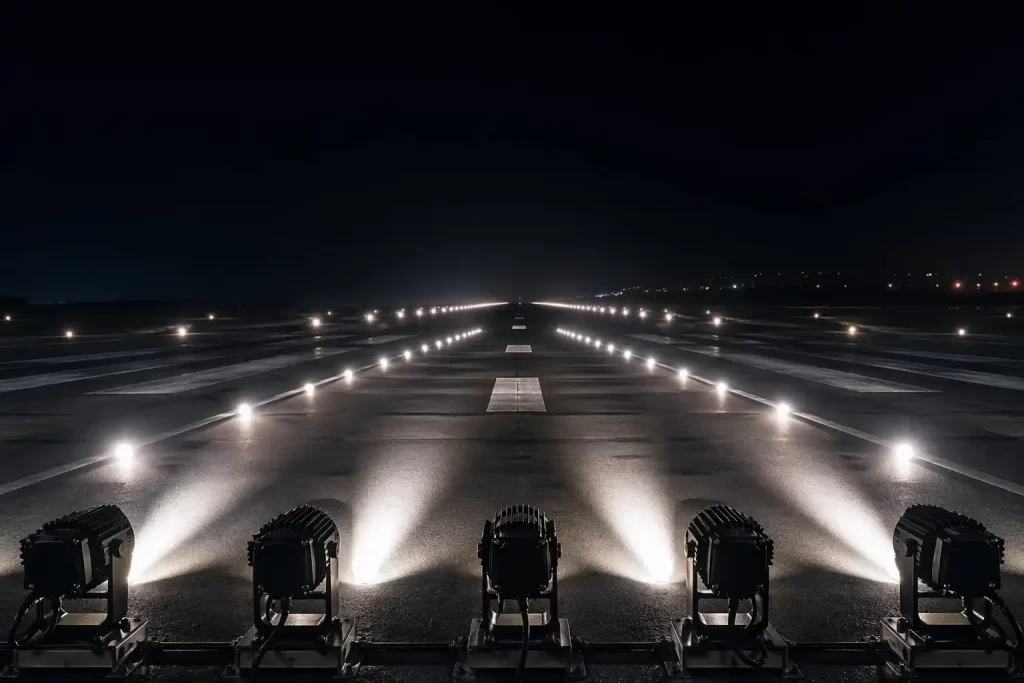
The performance evaluation process commences with an understanding of luminous efficacy. It is not just about illumination; it is about energy conversion efficiency to light. Maximum lumens generated using minimal energy translate to high performance levels. Similarly, photometric distribution holds much significance. Proper light dispersion avoids over-shining or insufficient illumination of any vital area.
When dealing with defense applications for the important, even slight variations in light distribution affect accuracy of the system. Modern systems have been developed based on optical design. The outcome is better visibility without causing any glaring problems. A minute but important aspect. In addition, the spectral quality of the system also matters. This refers to the ability of a lighting system to produce clear images through proper color rendering.
3. Durability and Environmental Resistance
The nature of defense environments is harsh. There are situations where equipment cannot be used at ease. The lighting system is included here. Temperature is one issue that needs consideration. High temperatures will either reduce performance or cause the system to break down. Heat removal technology helps in maintaining efficiency.
Another factor is vibration resistance. This is especially important in the field of aviation. The equipment will face mechanical stress continuously. Rugged designs are necessary to improve that such equipment operates well within such environments is suitable for the any situation. Environmental resistance includes resistance against dust, moisture, and corrosive materials. This feature is important since it is mandatory.
4. Energy Consumption and Power Optimization
Energy efficiency has now become more than just a cost. It is now a strategic need for the people. Lower power consumption means less burden on the available energy sources, especially when working remotely or when operating from mobile stations.
Efficient systems result in efficient use of energy systems as well. These allow a higher operating capacity without having to refill the energy supply frequently whenever in tough situations. This becomes especially important during mission-critical operations.
Moreover, lower heat generation results in reduced need for cooling systems as well for the light systems. This results in improved efficiencies in general usage.
5. Compliance and Regulatory Standards
Compliance with the regulations is an absolute necessity during defense procurement. The lighting systems will have to comply with the strictest military specifications for reliability and safety reasons. Tests conducted on the systems simulate their performance during exposure to extreme environmental conditions like thermal cycling, vibration testing, and ingress protection testing.
The international regulations also come into consideration. It is common practice during the procurement process to engage in collaborative activities across borders. Thus, compliance with multiple regulations becomes mandatory in order to mitigate risks arising from non-compliance.
6. Integration with Defence Systems
The ability to integrate is one of the key determinants in procurement. It is essential that lighting systems are able to interact with current defense hardware. The compatibility with aircraft systems and control systems will guarantee smooth operation of the system. This is especially significant in the aerospace industry.
It is imperative to reduce the electromagnetic interference of the lighting systems. It is vital that the lighting system does not interfere with electronic devices. Control adaptability is yet another element. State-of-the-art lighting systems have programmable features.
7. Lifecycle Cost and Maintenance Factors
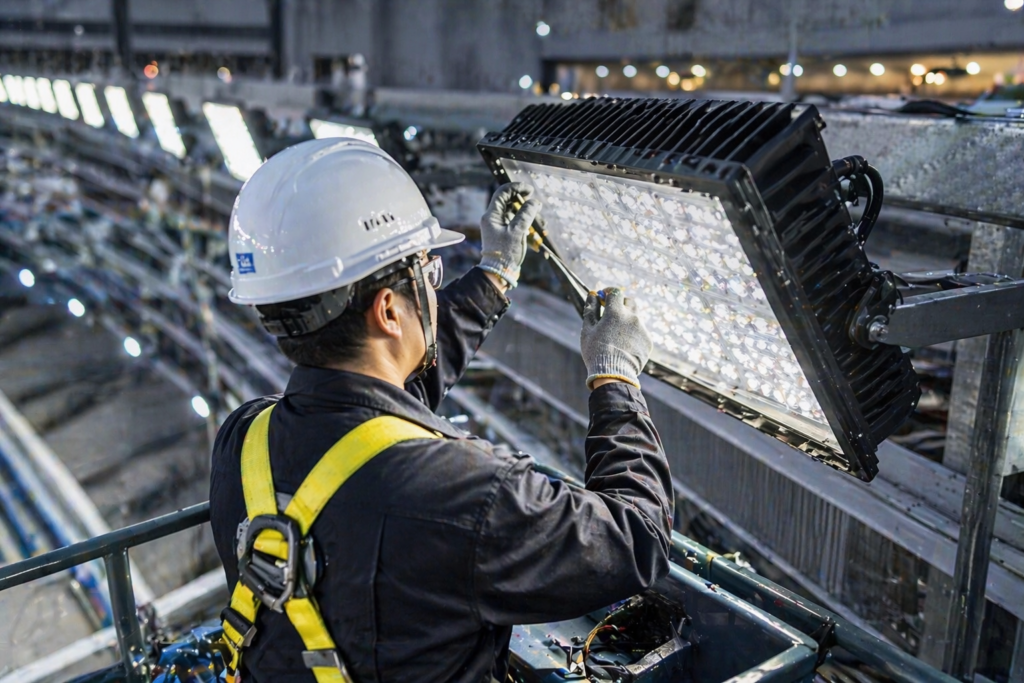
The initial cost may grab one’s attention of the buyers, but it is more realistic to evaluate the total life cycle cost for an accurate assessment of value, which is one of the factors. This includes purchasing, installation, maintenance, and replacement of the equipment or system being considered. The longer-lasting and less maintenance-intensive systems provide better value.
Regular maintenance can be both frequent and disruptive, increasing the cost of doing business. Durability and reliability affect the outcome of the LED Lights. Good quality systems result in lower costs. Pragmatic, yet practical.
8. Supplier Evaluation and Reliability
Supplier selection is something that needs a lot of attention because it’s not just a matter of picking any supplier, but rather partnering up with them. An excellent supplier will ensure product consistency and reliability. This becomes important, especially if we talk about the field of the defense industry.
Experience in the field turns into one of the indicators here. No doubt, we can measure the years that the company has been in business. But we should pay special attention to experience relevant to the defense sector – those suppliers who have already been working with companies from this field. There are different requirements, standards, and even specific conditions for suppliers. Understanding all of these is vital to providing appropriate solutions based on the requirements. Finally, we should take into account the consistency in the delivery of high-quality products.
9. Comparative Technology Assessment
| Parameter | Conventional Systems | Advanced LED Systems |
| Luminous Efficacy | Moderate | High |
| Thermal Emission | Elevated | Minimal |
| Operational Longevity | Limited | Extended |
| Energy Utilization | Inefficient | Optimized |
| Structural Robustness | Moderate | Superior |
| Maintenance Frequency | Frequent | Reduced |
10. Future-Proofing and Innovation Readiness
Procurement approaches have to go past mere necessities. Defense ecosystems transform. Necessities change. Systems that are unable to adapt swiftly will end up becoming outdated more rapidly than predicted. This leads to inefficiency. It also adds extra costs.
Adaptability becomes an essential factor in business. Not merely theoretically, but also practically i will impact. Lighting systems must provide modifications without much modification. Small modifications need not necessitate total renovation. Such inflexibility hinders efficiency. On the other hand, adaptable systems enable consistency. They can adapt. They can expand. They can be in tune with the changing needs of missions.
Expandability is also vital. As the infrastructure grows and the scope of operations, the systems must be flexible enough to cope with this growth. Modularity has gained significant recognition due to this very reason. Modularity enables the addition of components without any disruption or redesign. This is a practical benefit often overlooked.